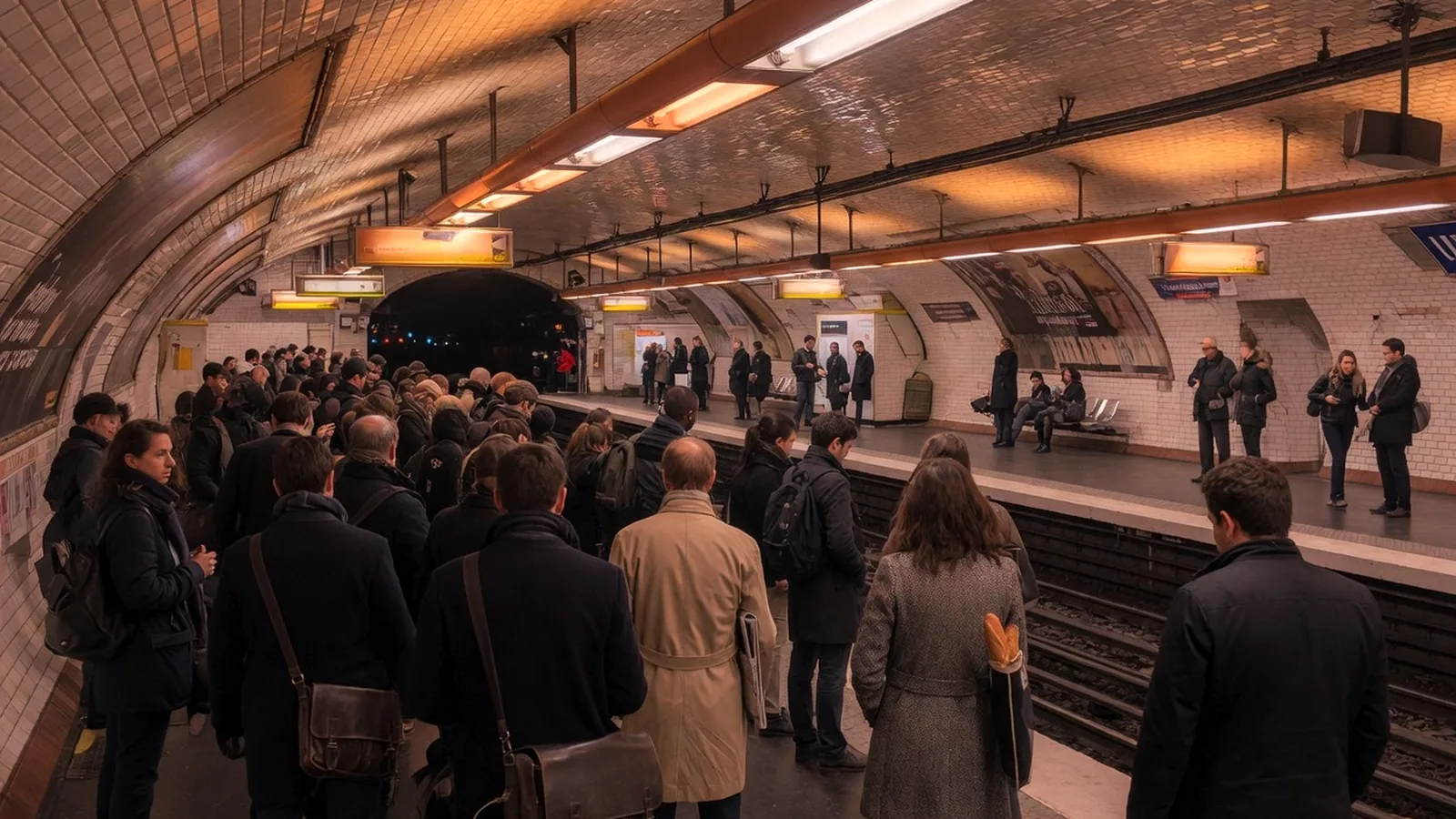
France is the largest country in the European Union and the most visited nation on earth. Stretching from the English Channel to the Mediterranean, from the Atlantic to the Rhine, this hexagonal landmass — known affectionately as l'Hexagone (the Hexagon) — packs extraordinary diversity into its 643,801 square kilometres.
Key Facts
| France — Quick Reference | Detail |
|---|---|
| Official Name: République française (French Republic) | |
| Capital: Paris (population 2.1 million city, 12.3 million metro) | |
| Population: 68.4 million (January 2025, INSEE) | |
| Area: 643,801 km² (metropolitan France) | |
| Coastline: 5,500 km across three seas | |
| Highest Point: Mont Blanc, 4,808 m (Western Europe's tallest) | |
| Longest River: Loire, 1,012 km | |
| Time Zone: CET (UTC+1), CEST in summer (UTC+2) | |
| Dialling Code: +33 | |
| Drives on: Right | |
| Emergency Number: 112 (EU-wide), 15 (SAMU), 17 (police), 18 (fire) |
Geography
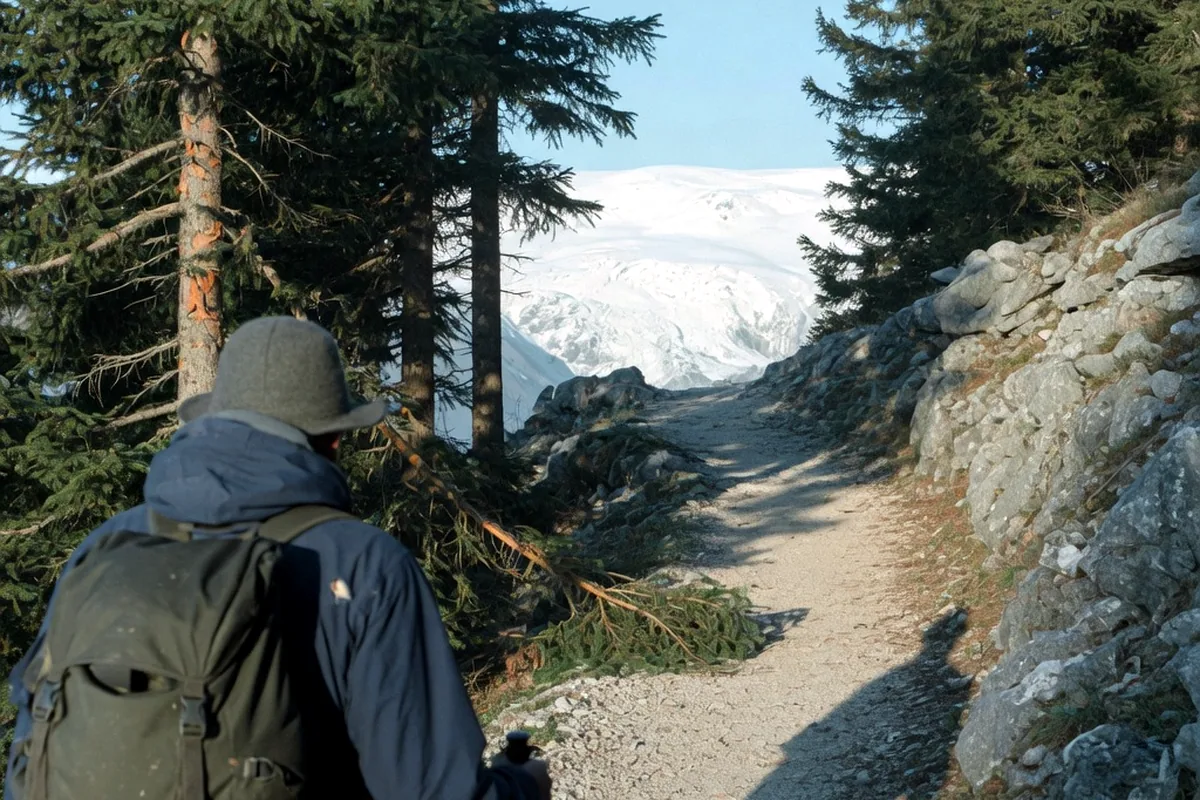
France shares borders with eight countries — Belgium, Luxembourg, Germany, Switzerland, Italy, Monaco, Spain, and Andorra — plus tunnel connections to the United Kingdom. Its territory is bordered by the North Sea, the English Channel (La Manche (the Sleeve)), the Atlantic Ocean, and the Mediterranean Sea.
The landscape is astonishingly varied. The north is dominated by the rolling plains of the Paris Basin and the chalk cliffs of Normandy. The east rises through the Vosges mountains and the vine-clad hills of Alsace to the Jura and the French Alps. The south includes the sun-baked garrigue (scrubland) of the Mediterranean coast, the volcanic plateaux of the Massif Central, and the Pyrenees along the Spanish border. The west unfolds into the bocage countryside of Normandy and Brittany, the sandy pine forests of the Landes, and the vast Atlantic surf beaches.
Geography of France — Dive deep into France's physical geography — mountains, rivers, coastlines, islands, and volcanic landscapes — on La Terre.
Government
France is a unitary semi-presidential republic. The President of the Republic, elected for a five-year term by direct universal suffrage, appoints the Prime Minister and chairs the Council of Ministers. Legislative power is exercised by a bicameral parliament: the Assemblée nationale (National Assembly) (577 deputies) and the Sénat (Senate) (348 senators).
The current constitution — that of the Fifth Republic — was established by Charles de Gaulle in 1958. France is divided into 13 metropolitan regions, 5 overseas regions, 101 départements (departments), and over 36,000 communes.
French Government — Explore the Fifth Republic, parliament, laïcité, and France's role in Europe — on L'Esprit.
Currency & Costs
France uses the euro (€). As of early 2026:
- Budget traveller: €70–100/day (hostels, street food, public transport)
- Mid-range: €150–250/day (3-star hotels, bistro meals, some taxis)
- Luxury: €400+/day (boutique hotels, fine dining, private tours)
Credit cards (Visa, Mastercard) are accepted almost everywhere. Contactless payments are standard. ATMs (distributeurs (cash machines)) are widely available.
Language
French is the sole official language, spoken by the entire population. English proficiency varies — generally good in Paris, tourist areas, and among younger people, but limited in rural areas and smaller towns. Learning a few basic phrases makes an enormous difference to your experience:
- Bonjour (Hello / Good day) — the single most important word in France. Always greet shopkeepers, waiters, and strangers with it.
- S'il vous plaît (Please)
- Merci (Thank you)
- Parlez-vous anglais ? (Do you speak English?)
- L'addition, s'il vous plaît (The bill, please)
Climate
France spans multiple climate zones. The north and west have a maritime climate (mild, rainy). The far south enjoys Mediterranean conditions (hot, dry summers). Mountain areas have Alpine climates. The interior has a continental pattern with cold winters and warm summers.
Best time to visit: May–June and September–October offer pleasant weather, fewer crowds, and lower prices. July–August is peak season (and very hot in the south). December brings Christmas markets in Alsace and skiing in the Alps.
Climate of France — Detailed month-by-month climate data for every region — on La Terre.
Regions
Metropolitan France is divided into 13 administrative regions:
| Region | Capital | Known For |
|---|---|---|
| Île-de-France | Paris | Capital region, Versailles, Disneyland |
| Provence-Alpes-Côte d'Azur | Marseille | Riviera, lavender, Avignon |
| Auvergne-Rhône-Alpes | Lyon | Alps, gastronomy, volcanoes |
| Nouvelle-Aquitaine | Bordeaux | Wine, Dordogne, Atlantic coast |
| Occitanie | Toulouse | Canal du Midi, Carcassonne, Pyrenees |
| Bretagne | Rennes | Coastline, crêpes, standing stones |
| Normandie | Rouen | D-Day beaches, Mont-Saint-Michel, Camembert |
| Hauts-de-France | Lille | Flemish culture, WWI sites, beer |
| Grand Est | Strasbourg | Alsace wine route, Christmas markets |
| Pays de la Loire | Nantes | Loire châteaux, Machines de l'Île |
| Bourgogne-Franche-Comté | Dijon | Burgundy wine, mustard, Jura |
| Centre-Val de Loire | Orléans | Loire Valley châteaux, Joan of Arc |
| Corse | Ajaccio | Mountains, beaches, Napoleon's birthplace |
France also has five overseas regions: Guadeloupe, Martinique, French Guiana, Réunion, and Mayotte.
Transport
France has one of Europe's best transport networks:
- TGV high-speed rail connects Paris to Lyon (2h), Marseille (3h15), Bordeaux (2h), and Strasbourg (1h50)
- SNCF regional trains (TER) serve smaller cities and towns
- Paris Métro is one of the world's densest urban rail systems (16 lines)
- Autoroutes (motorways) are excellent but tolled — budget €50–100 for a cross-country drive
- Eurostar connects London to Paris (2h15) and to Lille (1h20)
Food & Drink
France's culinary culture is UNESCO-recognised. Expect:
- Breakfast (petit-déjeuner (little lunch)): croissant, tartine, coffee
- Lunch (déjeuner (lunch)): often the main meal, 12:00–14:00
- Dinner (dîner (dinner)): 19:30–21:00 (later in the south)
- Wine with meals is standard, not exceptional
- Tipping: service is included (service compris (service included)), but rounding up is appreciated
French Food & Wine — The complete guide to France's culinary civilisation — regional cuisines, 400+ cheeses, and wine from Bordeaux to Champagne — on La Table.
Public Holidays
| Date | Holiday |
|---|---|
| 1 January | New Year's Day |
| March/April | Easter Monday |
| 1 May | Labour Day (Fête du Travail (Labour Day)) |
| 8 May | Victory in Europe Day |
| May/June | Ascension / Whit Monday |
| 14 July | Bastille Day (Fête nationale (National Day)) |
| 15 August | Assumption |
| 1 November | All Saints' Day (Toussaint (All Saints)) |
| 11 November | Armistice Day |
| 25 December | Christmas Day |
The French are masters of the pont (bridge) — taking an extra day off between a public holiday and a weekend. Expect closures and busy transport during these periods.