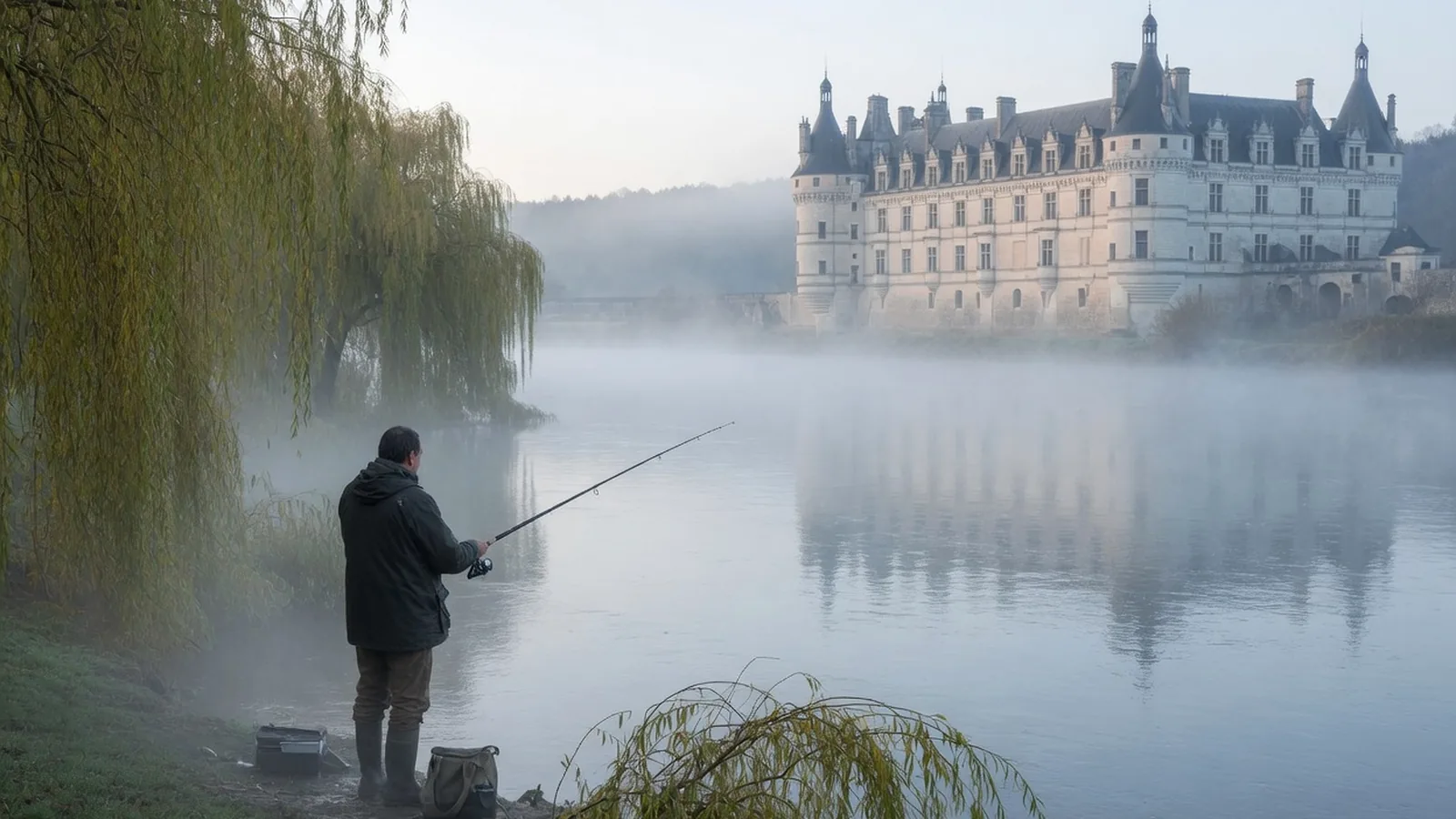
France has one of the best transport networks in Europe — the TGV high-speed rail system is world-class, regional trains connect mid-sized cities, and most urban centres have excellent public transport. But France is also a country where a car unlocks the deepest experiences: wine roads, perched villages, coastal drives, and rural landscapes that no train can reach.
| Transport Quick Reference | Detail |
|---|---|
| TGV: 320 km/h — Paris to Lyon (2h), Marseille (3h10), Bordeaux (2h04), Strasbourg (1h46) | |
| SNCF app: SNCF Connect (book TGV, TER, Intercités) | |
| Metro: Paris (16 lines), Lyon (4), Marseille (2), Toulouse (2), Lille (2), Rennes (1) | |
| Trams: 30+ French cities have tram networks | |
| Rail Pass: France Pass or Eurail — useful for multiple long-distance journeys |

High-Speed Rail (TGV)
The Train à Grande Vitesse (High-Speed Train) is the backbone of French intercity travel. The network radiates from Paris:
| Route | Duration | Frequency |
|---|---|---|
| Paris → Lyon | 2h00 | Every 30 min |
| Paris → Marseille | 3h10 | Hourly |
| Paris → Bordeaux | 2h04 | Hourly |
| Paris → Strasbourg | 1h46 | Every 30 min |
| Paris → Lille | 1h00 | Every 30 min |
| Paris → Rennes | 1h25 | Hourly |
| Paris → Nantes | 2h15 | Hourly |
| Paris → Toulouse | 4h15 | Several daily |
| Paris → Nice | 5h30 | Several daily |
Booking tips: Book on SNCF Connect (app or website). Tickets go on sale 4 months ahead. The cheapest Prix Mini (mini price) fares sell out fast — book early. First class (Première (first class)) is often only €10–20 more than second class on early bookings.
Regional Trains (TER)
Transport Express Régional (Regional Express Transport) trains connect smaller cities and towns. They're slower, cheaper, and often scenic. No reservation required — buy a ticket and hop on.
Paris Metro and RER
The Paris Métro (16 lines, 300+ stations) is fast, frequent, and covers the city comprehensively. The RER (5 lines) extends into the suburbs — use it for CDG airport (line B), Versailles (line C), and Disneyland (line A). Buy tickets on the île-de-France Mobilités app or use contactless payment.
Navigo Easy: A rechargeable card for metro, bus, RER, and tram. Buy at any metro station. Load individual tickets (€2.15 each) or a day pass.
City Transport
Most French cities over 100,000 people have excellent public transport — trams, buses, and increasingly bike-share schemes:
- Lyon: TCL metro, trams, and Vélo'v bikes
- Bordeaux: Impressive tram network (no overhead wires in the historic centre)
- Strasbourg: Tram covers the city; car-free Grande Île
- Nantes: Tram, Busway, and Bicloo bikes
- Nice: Tram Line 1 connects the city; Line 2 to the airport
Intercity Buses
FlixBus and BlaBlaCar Bus operate extensive networks at budget prices. Slower than trains but often significantly cheaper — Paris to Lyon from €9, for example. Book online.
Cycling
France is increasingly cycle-friendly. Major initiatives:
- Vélib' (Paris): 20,000 bikes, 1,400 stations
- Loire à Vélo: 900 km of signed cycle paths along the Loire Valley
- EuroVelo routes: Several cross France
- Most TER trains carry bikes free (no reservation needed)
When to Drive vs. Take the Train
- City to city: Train almost always wins — faster, no parking stress
- Wine routes, countryside, perched villages: Car essential
- Riviera: Train for Cannes/Nice/Monaco; car for hillside villages
- Normandy, Brittany coast: Car preferred for flexibility
On the ground
| Pin | Working note |
|---|---|
| Page | Getting Around France |
| Desk | La Porte |
| First use | Read the pins, then one related page — not five |
| Confirm | Official site or ticket desk the week you go |
Hours, fares, and festival weeks move. A 2024 caption is not a 2026 desk. Getting Around France sits in a country that is easy to over-plan and easy to under-prepare. The travel layer is where visitors collect names. This page is the opposite: what to do first, what to skip, and which sibling guide holds the rest.
France rewards a slow unit. One arrondissement, one valley, one appellation, one park trail. The photograph of five landmarks in five days is a real holiday, and it is also a queue with a passport. If you only have three nights, spend two of them in the same bed. The third night is for a train, not a third hotel.
Working a visit
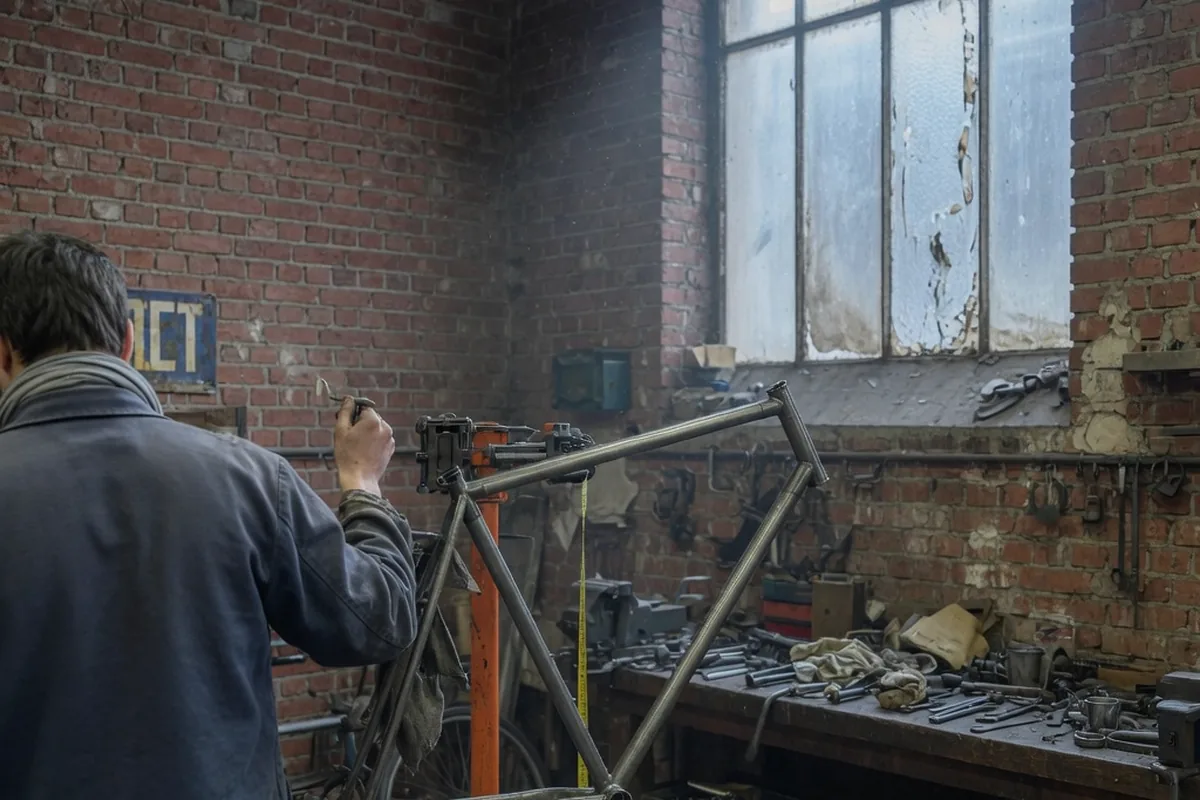
Practical France is sockets (Type E/F, 230 V), tap water that is safe, pharmacies that are the real clinic for minor trouble, and a lunch hour that still closes a village. Cards work in cities. Cash still opens some park kiosks, some island boats, and some market stalls that have never seen contactless. A lightweight adapter belongs in the personal item, not the hold.
We will not write as if every reader is on a gap year, or as if every reader is in a palace hotel. We will not flatten 'the south' into one climate. We will not treat a strike day, a jour férié, or a Tuesday museum closure as a personality quirk of the French. They are calendars. Check them. Then use Getting Around France as a pin, not as scripture.
Cross the five guides instead of cloning them. La Porte holds trains and the first week. La Terre holds weather and park gates. L'Esprit holds museum Tuesdays and the Revolution. La Table holds the market morning and the wine list. Le Moteur holds the Tour, the working week, and why August is empty in Paris and full on the coast.
Across the five guides
- La Terre — Landscapes, parks, and seasons
- L'Esprit — History, arts, and landmarks
- La Table — Food, wine, and the meal
- Le Moteur — Economy, sport, and work
On the ground
| Pin | Working note |
|---|---|
| Page | Getting Around France |
| Desk | La Porte |
| First use | Read the pins, then one related page — not five |
| Confirm | Official site or ticket desk the week you go |
Hours, fares, and festival weeks move. A 2024 caption is not a 2026 desk. Getting Around France sits in a country that is easy to over-plan and easy to under-prepare. The travel layer is where visitors collect names. This page is the opposite: what to do first, what to skip, and which sibling guide holds the rest.
France rewards a slow unit. One arrondissement, one valley, one appellation, one park trail. The photograph of five landmarks in five days is a real holiday, and it is also a queue with a passport. If you only have three nights, spend two of them in the same bed. The third night is for a train, not a third hotel.
Working a visit
Practical France is sockets (Type E/F, 230 V), tap water that is safe, pharmacies that are the real clinic for minor trouble, and a lunch hour that still closes a village. Cards work in cities. Cash still opens some park kiosks, some island boats, and some market stalls that have never seen contactless. A lightweight adapter belongs in the personal item, not the hold.
We will not write as if every reader is on a gap year, or as if every reader is in a palace hotel. We will not flatten 'the south' into one climate. We will not treat a strike day, a jour férié, or a Tuesday museum closure as a personality quirk of the French. They are calendars. Check them. Then use Getting Around France as a pin, not as scripture.
Cross the five guides instead of cloning them. La Porte holds trains and the first week. La Terre holds weather and park gates. L'Esprit holds museum Tuesdays and the Revolution. La Table holds the market morning and the wine list. Le Moteur holds the Tour, the working week, and why August is empty in Paris and full on the coast.