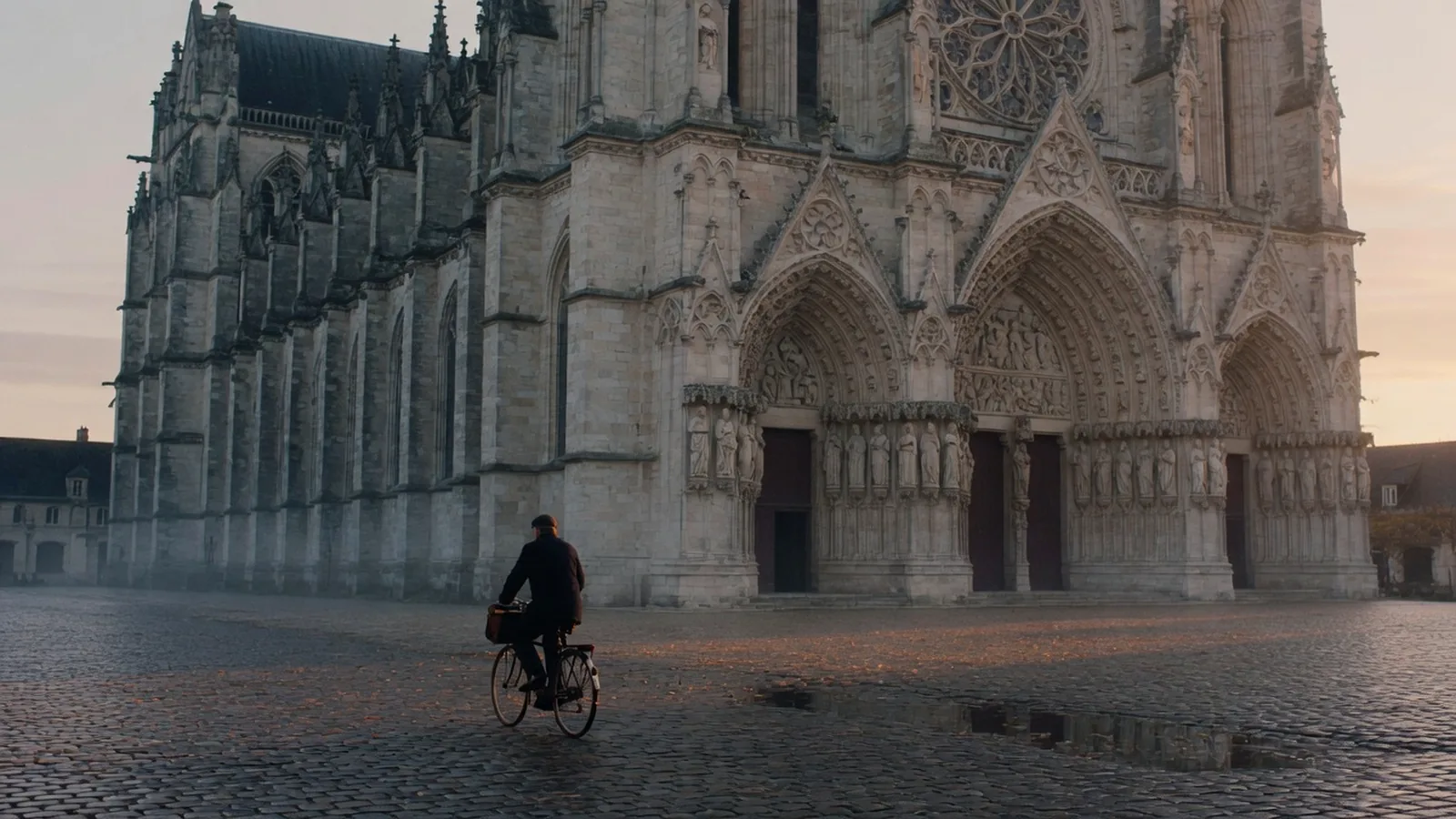
Brittany juts into the Atlantic like a fist — 2,800 km of coastline ranging from wild granite headlands battered by ocean swells to sheltered estuaries where oysters grow in calm waters. This drive follows the northern and western coasts, from the corsair city of Saint-Malo to the prehistoric alignments at Carnac, passing through some of France's most stirring landscapes.
| Brittany Coastal Drive Quick Facts | Detail |
|---|---|
| Distance: ~600 km (Saint-Malo to Carnac, coastal route) | |
| Driving time: 10–12 hours (non-stop); 5–7 days recommended | |
| Terrain: Coastal roads, some clifftop sections, mostly dual-lane | |
| Season: Year-round; best May–September | |
| Key stops: Saint-Malo, Cap Fréhel, Côte de Granit Rose, Finistère, Quimper, Carnac |
The Route
- Saint-Malo (0 km)Start inside the walled corsair city. Walk the ramparts at sunset, eat oysters on the harbour.
- Cap Fréhel (50 km)One of France's most dramatic headlands — 70-metre pink sandstone cliffs plunging into the sea. The lighthouse offers 360° views. Nearby Fort La Latte is a medieval castle on a rocky promontory.
- Côte de Granit Rose (150 km)The Pink Granite Coast — enormous boulders in shades of salmon, rose, and amber tumbled along the shore. The Sentier des Douaniers (customs officers' path) at Ploumanac'h is the highlight — a walking trail through a fantasy landscape of rock formations.
- Île de Bréhat (175 km)A short ferry from Pointe de l'Arcouest reaches this tiny car-free island — two islands connected by a bridge, Mediterranean plants in an Atlantic setting.
- Morlaix (230 km)A handsome town dominated by a massive railway viaduct. The half-timbered houses along the river have lanternes (internal light wells) — a unique local architecture.
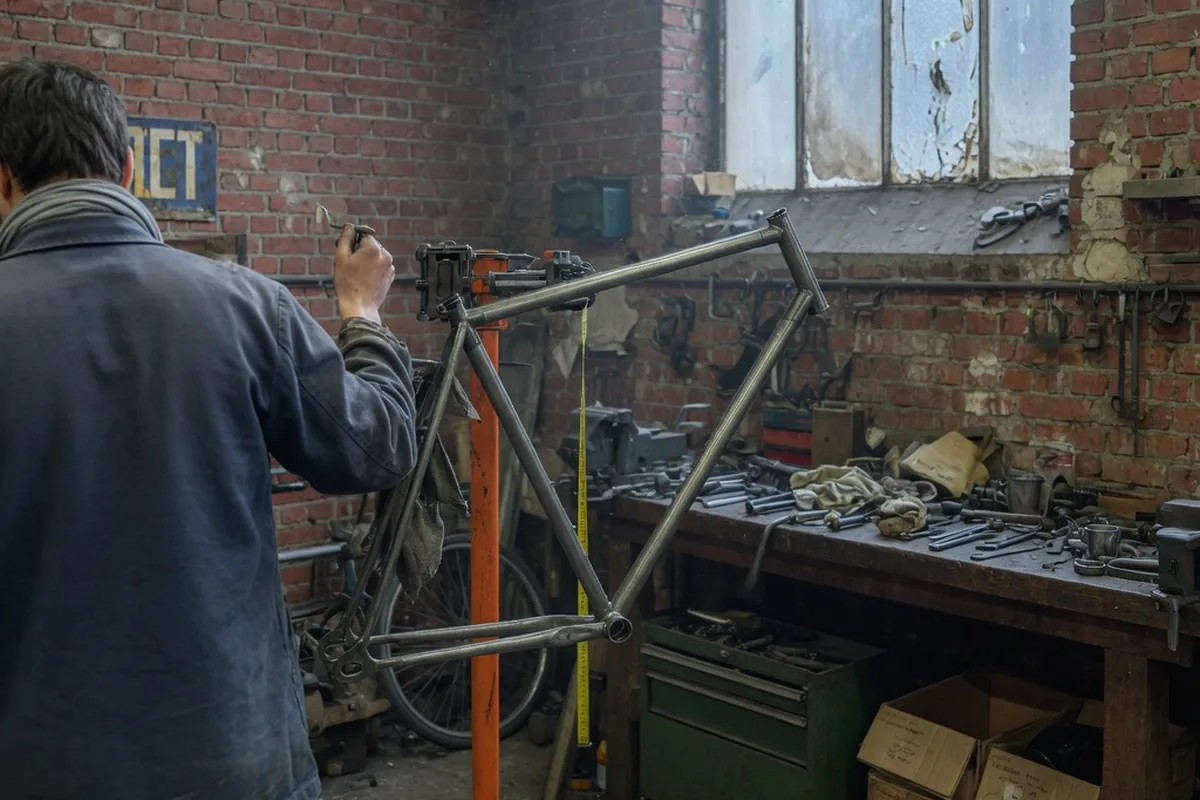
- Roscoff (250 km)A charming onion-trading port — the Johnnies (Breton onion sellers) once cycled to Britain selling strings of pink onions. Ferries depart for Plymouth and Île de Batz.
- Pointe du Raz (350 km)Finistère — finis terrae (end of the earth.) This dramatic headland is France's westernmost mainland point. Waves crash onto rocks 70 metres below. Raw, wild, unforgettable.
- Douarnenez (380 km)A fishing port famous for sardines — the Port-Musée (boat museum) floats historic vessels in the harbour.
- Quimper (420 km)The cultural capital of Brittany — Gothic cathedral, famous faïence pottery, crêperies everywhere. The medieval old town along the River Odet is lovely.
- Pont-Aven (470 km)Where Paul Gauguin developed his Synthetist style before departing for Tahiti. A small museum honours the Pont-Aven School. The riverside walk is charming.
- Carnac (600 km)The finish — over 3,000 prehistoric standing stones arranged in parallel rows stretching for kilometres. Nobody knows exactly why. The alignments are among the most important megalithic sites in the world.
Brittany's Geology — Granite, gneiss, and the ancient Armorican Massif — the rocks that shaped Brittany — on La Terre.
Food Along the Way
- Galettes (buckwheat crêpes) — the Breton staple; order a complète (egg, ham, cheese)
- Oysters — Cancale (near Saint-Malo) is the oyster capital of France
- Far breton (Breton custard cake with prunes)
- Cidre (Breton cider) — served in bolées (wide ceramic cups)
- Kouign-amann (butter pastry from Douarnenez) — the world's most buttery pastry
On the ground
| Pin | Working note |
|---|---|
| Route | Brittany Coastal Drive |
| Péage | Budget the tolls; they are not a surprise |
| Cols | Mountain dates are not ring-road dates |
| Train alternative | Often exists for part of the corridor |
If another France InfoBuffoon guide owns the beat — a park gate, a museum Tuesday, a wine list — we send you there instead of duplicating a thinner copy here. Brittany Coastal Drive sits in a country that is easy to over-plan and easy to under-prepare. The routes layer is where visitors collect names. This page is the opposite: what to do first, what to skip, and which sibling guide holds the rest.
France rewards a slow unit. One arrondissement, one valley, one appellation, one park trail. The photograph of five landmarks in five days is a real holiday, and it is also a queue with a passport. If you only have three nights, spend two of them in the same bed. The third night is for a train, not a third hotel.
Working a visit
Practical France is sockets (Type E/F, 230 V), tap water that is safe, pharmacies that are the real clinic for minor trouble, and a lunch hour that still closes a village. Cards work in cities. Cash still opens some park kiosks, some island boats, and some market stalls that have never seen contactless. A lightweight adapter belongs in the personal item, not the hold.
We will not write as if every reader is on a gap year, or as if every reader is in a palace hotel. We will not flatten 'the south' into one climate. We will not treat a strike day, a jour férié, or a Tuesday museum closure as a personality quirk of the French. They are calendars. Check them. Then use Brittany Coastal Drive as a pin, not as scripture.
Cross the five guides instead of cloning them. La Porte holds trains and the first week. La Terre holds weather and park gates. L'Esprit holds museum Tuesdays and the Revolution. La Table holds the market morning and the wine list. Le Moteur holds the Tour, the working week, and why August is empty in Paris and full on the coast.