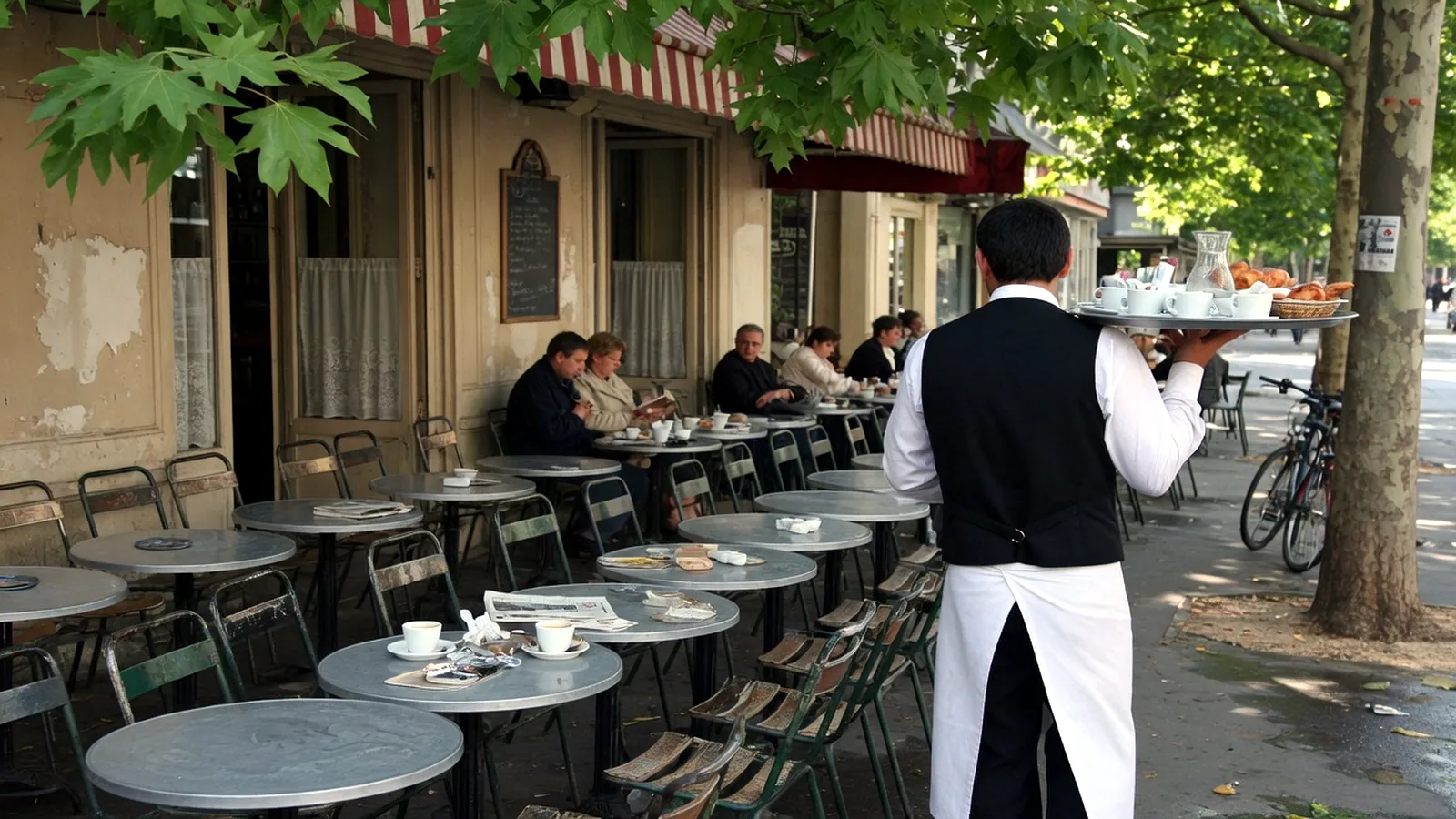
Lille is northern France's secret weapon — a vibrant, architecturally stunning city of 235,000 that blends Flemish and French cultures into something uniquely warm and welcoming. Just one hour from Paris, Brussels, and London by high-speed rail, it remains astonishingly undervisited by international tourists. Their loss is your gain.
| Lille Quick Facts | Detail |
|---|---|
| Population: 235,000 (city), 1.2 million (metro) | |
| Region: Hauts-de-France | |
| Airport: Lille-Lesquin (LIL), 10 km southeast | |
| TGV from Paris: 1 hour; Eurostar from London: 1 hour 20 minutes | |
| Known for: Flemish architecture, Palais des Beaux-Arts, beer culture, La Grande Braderie |
Neighbourhoods
Vieux-Lille (Old Lille)
The historic quarter is a marvel of Flemish Baroque architecture — ornate gabled facades in warm brick and stone, cobblestone streets, independent boutiques, and some of the city's best restaurants. The Grand'Place (officially Place du Général de Gaulle — he was born in Lille) is the bustling centre.
Wazemmes
The multicultural market district southwest of the centre. The Marché de Wazemmes (Tuesday, Thursday, and Sunday mornings) is one of France's most vibrant — North African spices, live chickens, vintage clothes, and a rotisserie that draws crowds from across the city.
Food & Drink
- Moules-frites (mussels and chips) — the regional classic
- Carbonade flamande (Flemish beef stew braised in beer)
- Welsh (beer-cheese sauce on toast with ham and egg) — a northern France obsession
- Merveilleux (meringue-and-cream cake) — from Aux Merveilleux de Fred
- Beer — this is beer country, not wine country. Bière de garde, craft breweries, and estaminets (traditional taverns)
Northern French Cuisine — Moules-frites, carbonade, beer culture, and the hearty Flemish-French cooking of the north — on La Table.
When to Visit
- September: La Grande Braderie — Europe's largest flea market, when 2 million visitors descend on Lille for a weekend of bargain-hunting and moules-frites mountains
- December: Gorgeous Christmas market in the Grand'Place
- Year-round: Lille's compact centre is walkable in any season
On the ground
| Pin | Working note |
|---|---|
| Place | Lille City Guide |
| First night | Sleep near a station or Métro, not a pretty square with no trains after 22:00 |
| Day-trip trap | Adding a second city because the TGV looks short on a map |
| Meal | One proper lunch beats three museum cafés |
The useful unit is one place or one question, not a fourteen-day montage of France. Lille City Guide sits in a country that is easy to over-plan and easy to under-prepare. The cities layer is where visitors collect names. This page is the opposite: what to do first, what to skip, and which sibling guide holds the rest.
France rewards a slow unit. One arrondissement, one valley, one appellation, one park trail. The photograph of five landmarks in five days is a real holiday, and it is also a queue with a passport. If you only have three nights, spend two of them in the same bed. The third night is for a train, not a third hotel.
Working a visit
Practical France is sockets (Type E/F, 230 V), tap water that is safe, pharmacies that are the real clinic for minor trouble, and a lunch hour that still closes a village. Cards work in cities. Cash still opens some park kiosks, some island boats, and some market stalls that have never seen contactless. A lightweight adapter belongs in the personal item, not the hold.
We will not write as if every reader is on a gap year, or as if every reader is in a palace hotel. We will not flatten 'the south' into one climate. We will not treat a strike day, a jour férié, or a Tuesday museum closure as a personality quirk of the French. They are calendars. Check them. Then use Lille City Guide as a pin, not as scripture.
Cross the five guides instead of cloning them. La Porte holds trains and the first week. La Terre holds weather and park gates. L'Esprit holds museum Tuesdays and the Revolution. La Table holds the market morning and the wine list. Le Moteur holds the Tour, the working week, and why August is empty in Paris and full on the coast.
Across the five guides
On the ground
| Pin | Working note |
|---|---|
| Place | Lille City Guide |
| First night | Sleep near a station or Métro, not a pretty square with no trains after 22:00 |
| Day-trip trap | Adding a second city because the TGV looks short on a map |
| Meal | One proper lunch beats three museum cafés |
The useful unit is one place or one question, not a fourteen-day montage of France. Lille City Guide sits in a country that is easy to over-plan and easy to under-prepare. The cities layer is where visitors collect names. This page is the opposite: what to do first, what to skip, and which sibling guide holds the rest.
France rewards a slow unit. One arrondissement, one valley, one appellation, one park trail. The photograph of five landmarks in five days is a real holiday, and it is also a queue with a passport. If you only have three nights, spend two of them in the same bed. The third night is for a train, not a third hotel.
Working a visit
Practical France is sockets (Type E/F, 230 V), tap water that is safe, pharmacies that are the real clinic for minor trouble, and a lunch hour that still closes a village. Cards work in cities. Cash still opens some park kiosks, some island boats, and some market stalls that have never seen contactless. A lightweight adapter belongs in the personal item, not the hold.
We will not write as if every reader is on a gap year, or as if every reader is in a palace hotel. We will not flatten 'the south' into one climate. We will not treat a strike day, a jour férié, or a Tuesday museum closure as a personality quirk of the French. They are calendars. Check them. Then use Lille City Guide as a pin, not as scripture.
Cross the five guides instead of cloning them. La Porte holds trains and the first week. La Terre holds weather and park gates. L'Esprit holds museum Tuesdays and the Revolution. La Table holds the market morning and the wine list. Le Moteur holds the Tour, the working week, and why August is empty in Paris and full on the coast.