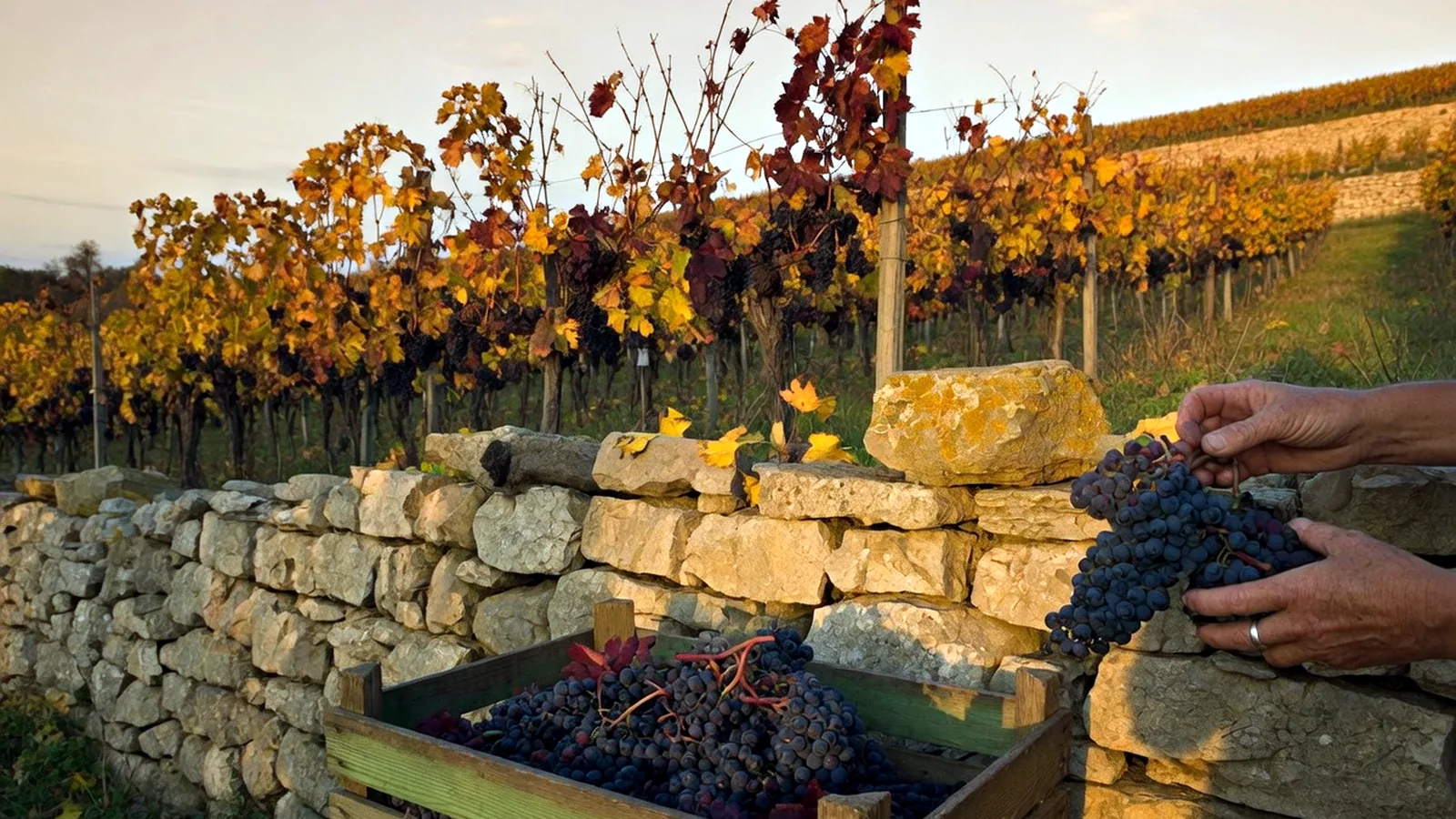
Marseille is France's oldest city, its second largest, and its most viscerally exciting. Founded by Greek sailors as Massalia around 600 BCE, it has been a port city for 2,600 years — a melting pot of cultures, cuisines, and contradictions that feels more like Napoli or Algiers than Lyon or Bordeaux. With a population of 870,000 (1.8 million metro), it sprawls along the Mediterranean coast with a raw, untamed energy that divides visitors: you either love Marseille or you don't. Most people love it.
The Vieux-Port (Old Port) remains the heart of the city — fishing boats still sell the morning catch from stalls along the quayside, as they have for centuries. Above it, the golden statue of the Virgin atop Notre-Dame de la Garde watches over everything. And just south of the city, the Calanques — a national park of turquoise fjords and white limestone cliffs — is one of the most stunning natural landscapes in Europe.
| Marseille Quick Facts | Detail |
|---|---|
| Population: 870,000 (city), 1.8 million (metro) | |
| Region: Provence-Alpes-Côte d'Azur | |
| Founded: c. 600 BCE (oldest city in France) | |
| Airport: Marseille Provence (MRS), 25 km northwest | |
| TGV from Paris: 3 hours 15 minutes | |
| Average Temperature: 7°C (January), 29°C (July) | |
| Known for: Port culture, bouillabaisse, Calanques, multiculturalism |
Neighbourhoods
Le Vieux-Port
The ancient harbour is Marseille's living room. Fishing boats bob in the marina, café terraces line the quays, and the morning fish market on the Quai des Belges supplies the restaurants that will turn the catch into bouillabaisse (Provençal fish stew) by lunchtime. Norman Foster's striking mirrored canopy reflects the sky from the waterfront.
Le Panier
Marseille's oldest neighbourhood — a labyrinth of steep, narrow streets, pastel-painted houses, street art, and artisan workshops climbing the hill behind the Vieux-Port. This is where the Greek colonists first settled. Today it's the most atmospheric quarter in the city.
La Corniche & the Calanques
The coastal road south from the Vieux-Port passes the Vallon des Auffes (a tiny fishing hamlet), then the long promenade of the Corniche Kennedy, before reaching the Calanques — a 20 km stretch of dramatic limestone inlets and turquoise water now protected as France's newest national park.
Calanques National Park — Mediterranean fjords, white cliffs, and turquoise seas — the natural wonder on Marseille's doorstep — on La Terre.
La Joliette & MuCEM
The redeveloped docks district around the landmark MuCEM (Museum of European and Mediterranean Civilisations) — a stunning building by Rudy Ricciotti wrapped in a concrete lacework shell. The Cathédrale de la Major and the regenerated J4 esplanade complete the waterfront cultural quarter.
Food & Drink
Marseille's food scene reflects its port heritage — Mediterranean, North African, Middle Eastern, and Provençal flavours collide in the most exciting food city in southern France.
- Bouillabaisse (Provençal fish stew) — the city's signature dish, made with at least four types of Mediterranean fish
- Navettes (boat-shaped biscuits) — orange-flower flavoured, from the Four des Navettes bakery (1781)
- Panisse (chickpea fritters) — crispy, golden, irresistible
- Pizza — Marseille has a pizza culture rivalling Naples (try Chez Étienne)
- Pastis — the anise-flavoured spirit synonymous with Marseille café culture
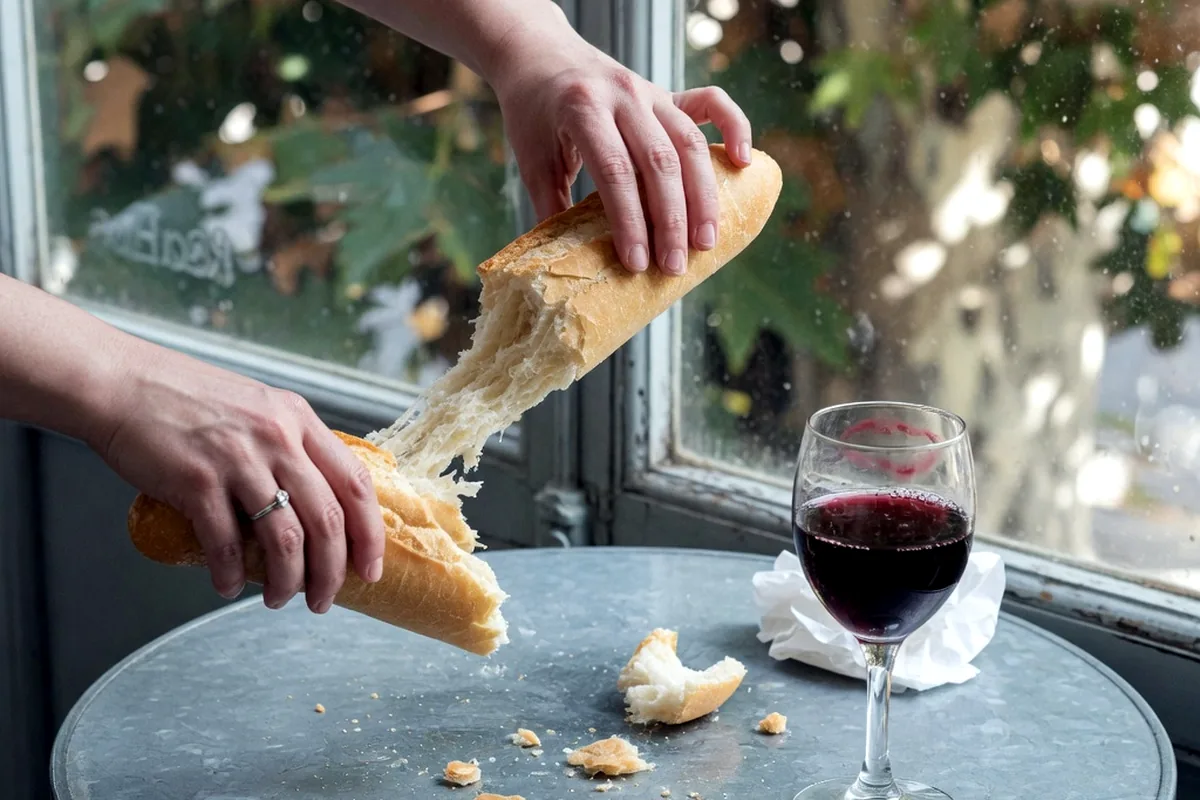
Provençal Cuisine — Bouillabaisse, ratatouille, tapenade, and the sun-drenched cooking of Provence — on La Table.
Transport
- TGV from Paris: 3h15 to Gare Saint-Charles — one of France's most dramatic station arrivals, with monumental steps descending into the city
- Metro: 2 lines covering the city centre
- Ferries: Regular services to Corsica, Sardinia, Tunisia, and Algeria
- Airport: Navette bus to Gare Saint-Charles (25 mins, €10)
When to Visit
- May–June and September–October: Ideal — warm but not scorching, fewer crowds
- July–August: Very hot (35°C+), busy, but lively beach culture
- Winter: Mild (10–15°C), quiet, but with the famous santons and Christmas markets
On the ground
| Pin | Working note |
|---|---|
| Place | Marseille City Guide |
| First night | Sleep near a station or Métro, not a pretty square with no trains after 22:00 |
| Day-trip trap | Adding a second city because the TGV looks short on a map |
| Meal | One proper lunch beats three museum cafés |
If another France InfoBuffoon guide owns the beat — a park gate, a museum Tuesday, a wine list — we send you there instead of duplicating a thinner copy here. Marseille City Guide sits in a country that is easy to over-plan and easy to under-prepare. The cities layer is where visitors collect names. This page is the opposite: what to do first, what to skip, and which sibling guide holds the rest.
France rewards a slow unit. One arrondissement, one valley, one appellation, one park trail. The photograph of five landmarks in five days is a real holiday, and it is also a queue with a passport. If you only have three nights, spend two of them in the same bed. The third night is for a train, not a third hotel.
Working a visit
Practical France is sockets (Type E/F, 230 V), tap water that is safe, pharmacies that are the real clinic for minor trouble, and a lunch hour that still closes a village. Cards work in cities. Cash still opens some park kiosks, some island boats, and some market stalls that have never seen contactless. A lightweight adapter belongs in the personal item, not the hold.
We will not write as if every reader is on a gap year, or as if every reader is in a palace hotel. We will not flatten 'the south' into one climate. We will not treat a strike day, a jour férié, or a Tuesday museum closure as a personality quirk of the French. They are calendars. Check them. Then use Marseille City Guide as a pin, not as scripture.
Cross the five guides instead of cloning them. La Porte holds trains and the first week. La Terre holds weather and park gates. L'Esprit holds museum Tuesdays and the Revolution. La Table holds the market morning and the wine list. Le Moteur holds the Tour, the working week, and why August is empty in Paris and full on the coast.