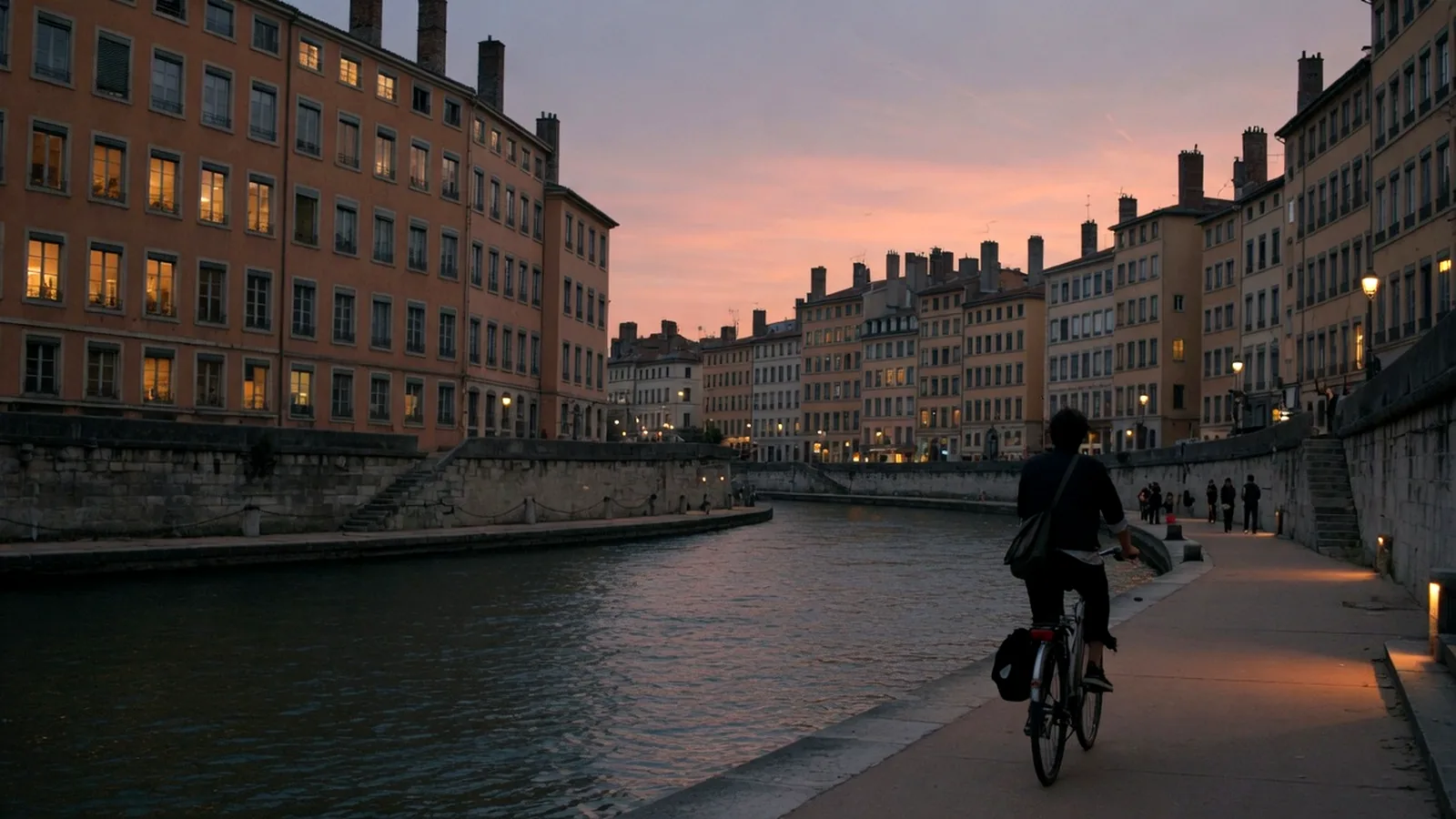
Mont-Saint-Michel is France's most extraordinary sight — a granite island crowned by a gravity-defying Gothic abbey, rising from vast tidal flats where the English Channel meets the Atlantic. It appears, depending on the tide, as an island surrounded by water or a pinnacle rising from endless sand. The abbey has been a place of worship since 708 AD, when the Bishop of Avranches reportedly received instructions from the Archangel Michael to build a church on the rock. Over a thousand years of construction have produced a masterpiece of medieval engineering — a stone pyramid of chapels, cloisters, crypts, and ramparts stacked impossibly high.
| Mont-Saint-Michel Quick Facts | Detail |
|---|---|
| Population: ~30 permanent residents on the island | |
| Region: Normandy (Manche) | |
| Tidal Range: Up to 15 metres — one of the highest in the world | |
| UNESCO Status: World Heritage since 1979 | |
| Visitors: 2.5 million per year | |
| From Paris: 3.5 hours drive; TGV to Rennes then 1 hour shuttle | |
| Known for: Tidal island, medieval abbey, La Merveille, bay crossings, omelettes |
The Abbey
La Merveille (The Marvel)
The 13th-century Gothic masterpiece on the north face of the rock — three storeys of increasing refinement: the almonry and cellars at ground level, the guest hall and Knights' Hall in the middle, and the sublime Cloister at the top, from which monks could contemplate the bay in silence.
The Church
At the very summit — the Romanesque nave leads to a Flamboyant Gothic choir rebuilt after a collapse in 1421. The views from the terraces outside are some of the most vertiginous in France.
The Grand Rue
The single steep street climbing from the entrance gate to the abbey — lined with medieval houses, now occupied by restaurants, souvenir shops, and small museums. Crowded by day, magical when empty at dawn.
The Bay
The bay of Mont-Saint-Michel is a landscape of extremes. The tidal flats extend for kilometres at low tide — flat, shimmering, treacherous. Quicksand exists and the tide returns at extraordinary speed (local folklore says "as fast as a galloping horse"). Never cross the bay without a licensed guide. Guided crossings are available from Genêts and other points — a 4-hour walk across the sands to the Mount is one of France's great experiences.
Mont-Saint-Michel Bay — The tidal dynamics, ecology, and geological uniqueness of the bay — on La Terre.
Food & Drink
- Omelette de la Mère Poulard (the famous puffy omelette) — whisked over an open fire since 1888 at the restaurant on the Grand Rue. Iconic, divisive, expensive.
- Agneau de pré-salé (salt-meadow lamb) — sheep graze the salt marshes around the bay, producing meat with a distinctive mineral flavour
- Norman cider and Calvados
When to Visit
- High tides: Check tide tables and time your visit to see the Mount become an island — usually a few days around the new and full moon
- Dawn or dusk: Arrive before the crowds; the light is best early and late
- Winter: Far fewer visitors; the Mount is atmospheric in mist and rain
- Stay overnight: The handful of hotels on the island let you experience the Mount after day-trippers leave — worth every euro
On the ground
| Pin | Working note |
|---|---|
| Place | Mont-Saint-Michel Town Guide |
| Overnight | Often worth it; a two-hour coach dump is how villages feel like sets |
| Car | Useful; not always required if a TER exists |
| Season | Shoulder weeks beat August queues |
Mont-Saint-Michel Town Guide is a working page on La Porte, not a souvenir. Use it with the week you travel. Mont-Saint-Michel Town Guide sits in a country that is easy to over-plan and easy to under-prepare. The towns layer is where visitors collect names. This page is the opposite: what to do first, what to skip, and which sibling guide holds the rest.
France rewards a slow unit. One arrondissement, one valley, one appellation, one park trail. The photograph of five landmarks in five days is a real holiday, and it is also a queue with a passport. If you only have three nights, spend two of them in the same bed. The third night is for a train, not a third hotel.
Working a visit
Practical France is sockets (Type E/F, 230 V), tap water that is safe, pharmacies that are the real clinic for minor trouble, and a lunch hour that still closes a village. Cards work in cities. Cash still opens some park kiosks, some island boats, and some market stalls that have never seen contactless. A lightweight adapter belongs in the personal item, not the hold.
We will not write as if every reader is on a gap year, or as if every reader is in a palace hotel. We will not flatten 'the south' into one climate. We will not treat a strike day, a jour férié, or a Tuesday museum closure as a personality quirk of the French. They are calendars. Check them. Then use Mont-Saint-Michel Town Guide as a pin, not as scripture.
Cross the five guides instead of cloning them. La Porte holds trains and the first week. La Terre holds weather and park gates. L'Esprit holds museum Tuesdays and the Revolution. La Table holds the market morning and the wine list. Le Moteur holds the Tour, the working week, and why August is empty in Paris and full on the coast.
Across the five guides
- La Terre — Landscapes, parks, and seasons
- L'Esprit — History, arts, and landmarks
- La Table — Food, wine, and the meal
- Le Moteur — Economy, sport, and work
On the ground
| Pin | Working note |
|---|---|
| Place | Mont-Saint-Michel Town Guide |
| Overnight | Often worth it; a two-hour coach dump is how villages feel like sets |
| Car | Useful; not always required if a TER exists |
| Season | Shoulder weeks beat August queues |
Mont-Saint-Michel Town Guide is a working page on La Porte, not a souvenir. Use it with the week you travel. Mont-Saint-Michel Town Guide sits in a country that is easy to over-plan and easy to under-prepare. The towns layer is where visitors collect names. This page is the opposite: what to do first, what to skip, and which sibling guide holds the rest.
France rewards a slow unit. One arrondissement, one valley, one appellation, one park trail. The photograph of five landmarks in five days is a real holiday, and it is also a queue with a passport. If you only have three nights, spend two of them in the same bed. The third night is for a train, not a third hotel.
Working a visit
Practical France is sockets (Type E/F, 230 V), tap water that is safe, pharmacies that are the real clinic for minor trouble, and a lunch hour that still closes a village. Cards work in cities. Cash still opens some park kiosks, some island boats, and some market stalls that have never seen contactless. A lightweight adapter belongs in the personal item, not the hold.
We will not write as if every reader is on a gap year, or as if every reader is in a palace hotel. We will not flatten 'the south' into one climate. We will not treat a strike day, a jour férié, or a Tuesday museum closure as a personality quirk of the French. They are calendars. Check them. Then use Mont-Saint-Michel Town Guide as a pin, not as scripture.
Cross the five guides instead of cloning them. La Porte holds trains and the first week. La Terre holds weather and park gates. L'Esprit holds museum Tuesdays and the Revolution. La Table holds the market morning and the wine list. Le Moteur holds the Tour, the working week, and why August is empty in Paris and full on the coast.