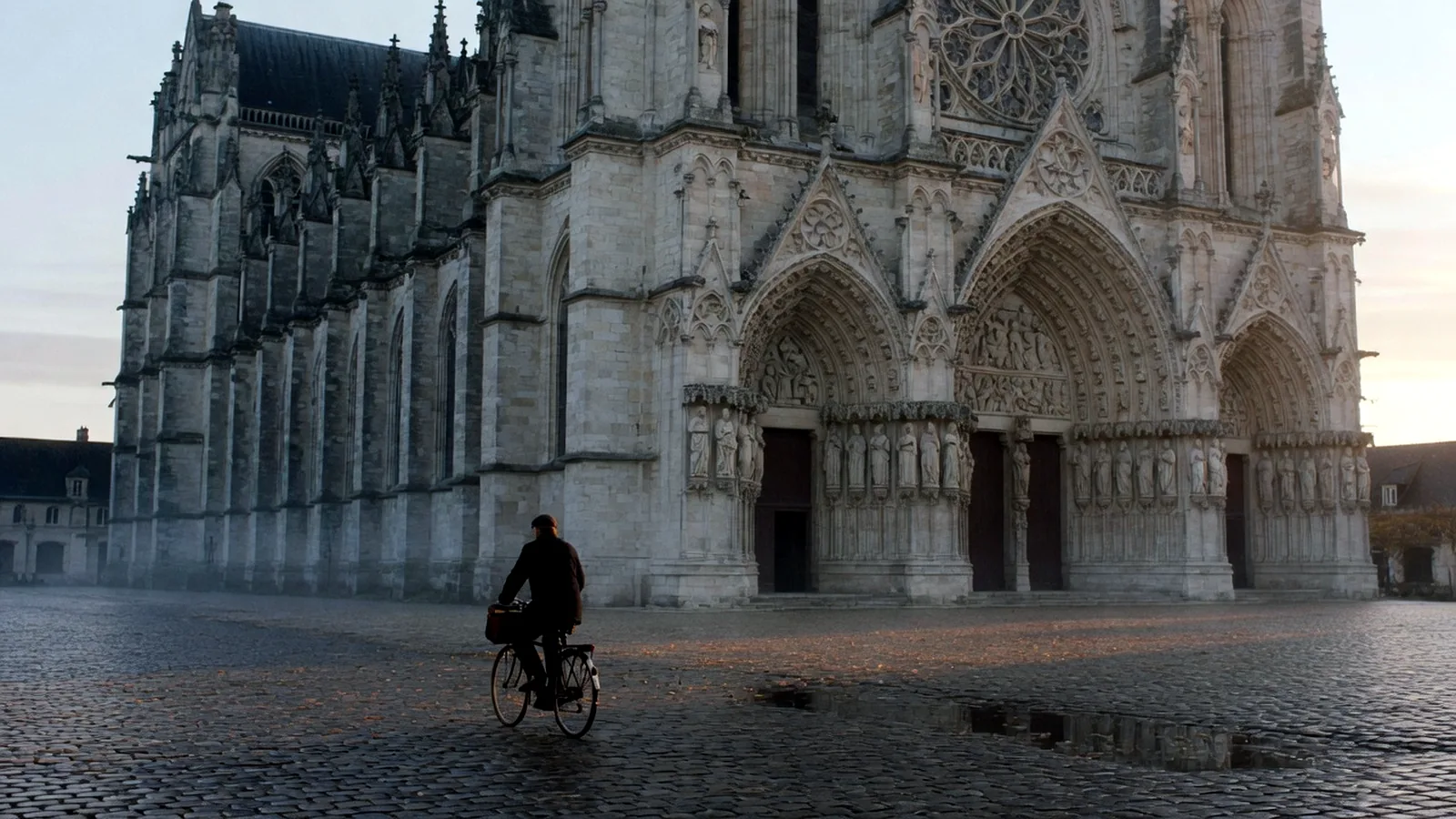
Strasbourg straddles the Rhine border between France and Germany, and its identity blends both cultures into something uniquely Alsatian. The Grande Île (Great Island) — the historical centre encircled by the River Ill — is a UNESCO World Heritage Site, dominated by one of Europe's greatest Gothic cathedrals and the fairy-tale half-timbered district of Petite France (Little France). As the official seat of the European Parliament, Strasbourg is also a symbol of Franco-German reconciliation and European unity.
| Strasbourg Quick Facts | Detail |
|---|---|
| Population: 290,000 (city), 800,000 (metro) | |
| Region: Grand Est | |
| River: Ill (and Rhine on the German border) | |
| Airport: Strasbourg-Entzheim (SXB), 10 km southwest | |
| TGV from Paris: 1 hour 50 minutes | |
| UNESCO Status: Grande Île — World Heritage since 1988 | |
| Known for: Christmas market (oldest in France, 1570), European institutions, cathedral, Alsatian cuisine |
Neighbourhoods
Petite France
A postcard-perfect district of half-timbered houses reflected in the canals of the River Ill. Originally the tanners' and millers' quarter, it's now Strasbourg's most photogenic area — especially at dawn before the crowds arrive.
The Cathedral Quarter
The Cathédrale Notre-Dame de Strasbourg — with its single-spire facade of intricate pink sandstone — was the world's tallest building from 1647 to 1874. Inside, the 15-metre astronomical clock is a Renaissance masterpiece.
European Quarter
The modern district housing the European Parliament, the Council of Europe, and the European Court of Human Rights — a powerful statement of Strasbourg's role in post-war European integration.
Food & Drink
Alsatian cuisine is France's most Germanic:
- Choucroute garnie (sauerkraut with assorted meats and sausages)
- Tarte flambée (thin-crust flatbread with crème fraîche, onions, and lardons) (also called Flammekueche (flame cake in Alsatian))
- Baeckeoffe (meat and potato casserole baked in Riesling)
- Kougelhopf (ring-shaped Alsatian cake)
- Alsatian wines — Riesling, Gewürztraminer, Pinot Gris — served in winstubs (traditional Alsatian wine taverns)
Alsatian Cuisine — Choucroute, flammekueche, kougelhopf, and the unique Franco-German food culture of eastern France — on La Table.
When to Visit
- December: The Christkindelsmärik (Christmas market) (since 1570) transforms the city into a winter wonderland — France's most famous Christmas market
- Spring (April–May): Wisteria-draped Petite France, lighter crowds
- Summer: Open-air concerts and dining along the canals
On the ground
| Pin | Working note |
|---|---|
| Place | Strasbourg City Guide |
| First night | Sleep near a station or Métro, not a pretty square with no trains after 22:00 |
| Day-trip trap | Adding a second city because the TGV looks short on a map |
| Meal | One proper lunch beats three museum cafés |
Hours, fares, and festival weeks move. A 2024 caption is not a 2026 desk. Strasbourg City Guide sits in a country that is easy to over-plan and easy to under-prepare. The cities layer is where visitors collect names. This page is the opposite: what to do first, what to skip, and which sibling guide holds the rest.
France rewards a slow unit. One arrondissement, one valley, one appellation, one park trail. The photograph of five landmarks in five days is a real holiday, and it is also a queue with a passport. If you only have three nights, spend two of them in the same bed. The third night is for a train, not a third hotel.
Working a visit
Practical France is sockets (Type E/F, 230 V), tap water that is safe, pharmacies that are the real clinic for minor trouble, and a lunch hour that still closes a village. Cards work in cities. Cash still opens some park kiosks, some island boats, and some market stalls that have never seen contactless. A lightweight adapter belongs in the personal item, not the hold.
We will not write as if every reader is on a gap year, or as if every reader is in a palace hotel. We will not flatten 'the south' into one climate. We will not treat a strike day, a jour férié, or a Tuesday museum closure as a personality quirk of the French. They are calendars. Check them. Then use Strasbourg City Guide as a pin, not as scripture.
Cross the five guides instead of cloning them. La Porte holds trains and the first week. La Terre holds weather and park gates. L'Esprit holds museum Tuesdays and the Revolution. La Table holds the market morning and the wine list. Le Moteur holds the Tour, the working week, and why August is empty in Paris and full on the coast.
Across the five guides
On the ground
| Pin | Working note |
|---|---|
| Place | Strasbourg City Guide |
| First night | Sleep near a station or Métro, not a pretty square with no trains after 22:00 |
| Day-trip trap | Adding a second city because the TGV looks short on a map |
| Meal | One proper lunch beats three museum cafés |
Hours, fares, and festival weeks move. A 2024 caption is not a 2026 desk. Strasbourg City Guide sits in a country that is easy to over-plan and easy to under-prepare. The cities layer is where visitors collect names. This page is the opposite: what to do first, what to skip, and which sibling guide holds the rest.
France rewards a slow unit. One arrondissement, one valley, one appellation, one park trail. The photograph of five landmarks in five days is a real holiday, and it is also a queue with a passport. If you only have three nights, spend two of them in the same bed. The third night is for a train, not a third hotel.
Working a visit
Practical France is sockets (Type E/F, 230 V), tap water that is safe, pharmacies that are the real clinic for minor trouble, and a lunch hour that still closes a village. Cards work in cities. Cash still opens some park kiosks, some island boats, and some market stalls that have never seen contactless. A lightweight adapter belongs in the personal item, not the hold.
We will not write as if every reader is on a gap year, or as if every reader is in a palace hotel. We will not flatten 'the south' into one climate. We will not treat a strike day, a jour férié, or a Tuesday museum closure as a personality quirk of the French. They are calendars. Check them. Then use Strasbourg City Guide as a pin, not as scripture.
Cross the five guides instead of cloning them. La Porte holds trains and the first week. La Terre holds weather and park gates. L'Esprit holds museum Tuesdays and the Revolution. La Table holds the market morning and the wine list. Le Moteur holds the Tour, the working week, and why August is empty in Paris and full on the coast.